Burial Methods
Every burial method, explained honestly
From centuries-old traditions to emerging science, each method below is labeled by category so you always know whether you're reading about something established, emerging, or still experimental.
Note: "Green burial" and "natural burial" refer to the same method — we cover it once, under Green Burial, to avoid duplicating content.
 Established
Green Burial
Chemical-free, biodegradable burial. Also known as natural burial.
 Established
Traditional Burial
Embalming, casket, and vault — the conventional Western standard.
 Established
Cremation
Flame-based reduction of the body to bone fragments.
 Established
Conservation Burial
Green burial that permanently protects land via conservation easement.
 Established
Sea Burial
Full-body or cremated remains committed to the ocean.
 Established
Memorial Reefs
Remains cast into artificial reef structures that support marine life.
 Emerging
Natural Organic Reduction
Human composting — accelerated decomposition into soil.
 Emerging
Alkaline Hydrolysis
Water-based cremation alternative using heat and alkali.
Emerging
Tree Burial
Remains paired with the planting of a memorial tree.
Emerging
Memorial Forests
Dedicated woodland burial grounds in place of headstone cemeteries.
 Emerging
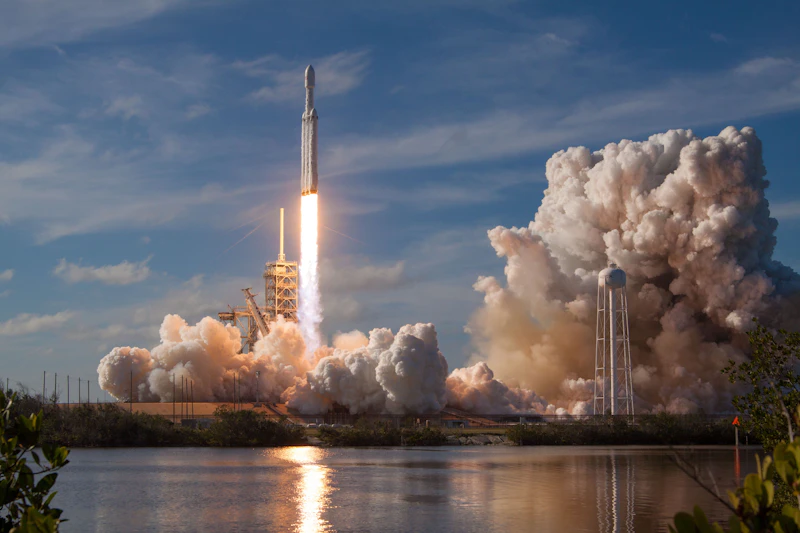
Space Memorials
A symbolic portion of remains launched into orbit or beyond.
 Emerging
Digital Memorials
Online tribute spaces, QR-linked headstones, and archived memories.
 Experimental
Cryonics
Low-temperature preservation in hope of future revival — unproven.
 Experimental
Future Burial Concepts
Mushroom suits, promession, vertical columbaria, and other proposals.